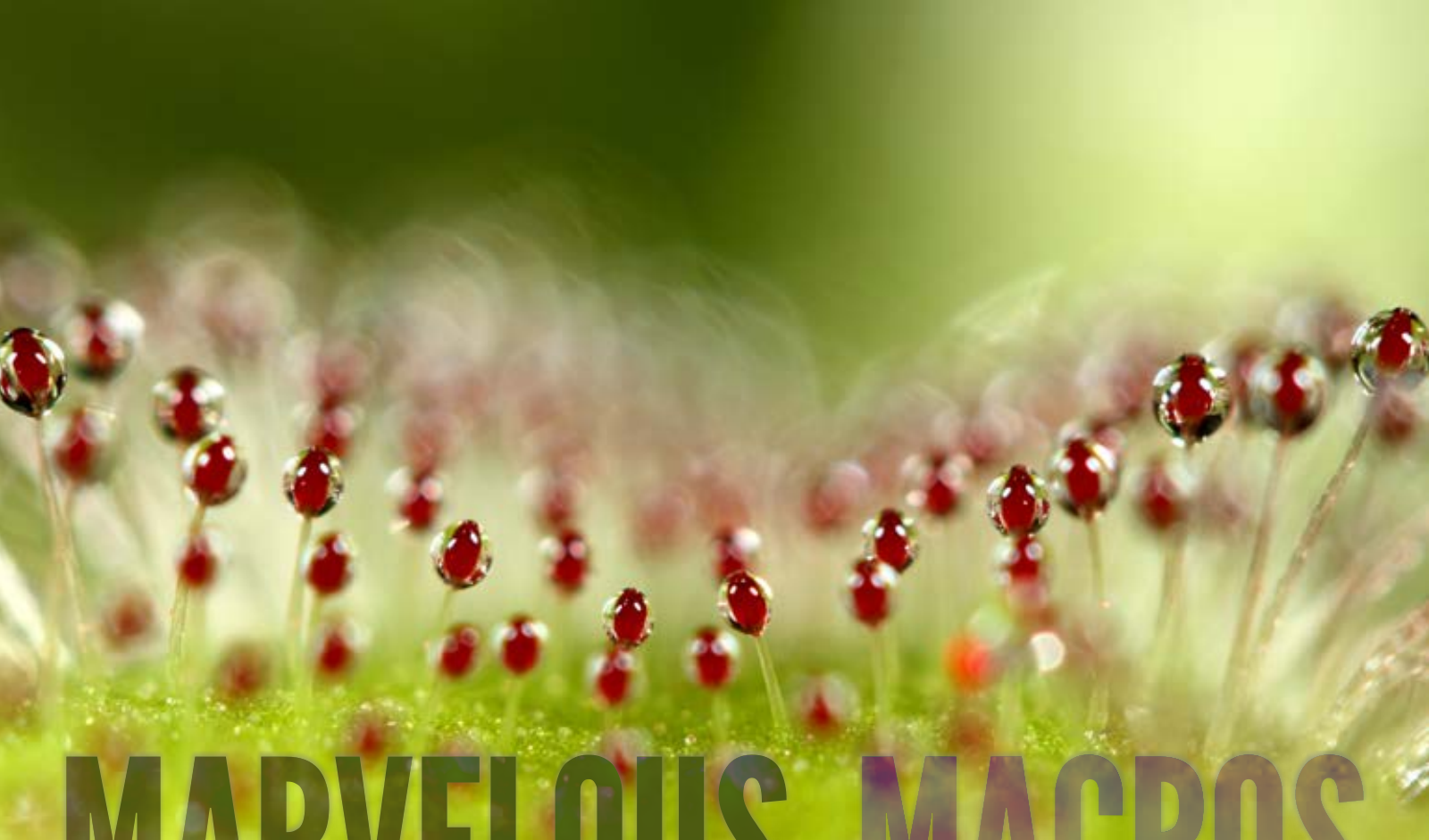
This time around, DarkroomPro Magazine interviews Sharon Johnstone, professional macro photographer and digital artist, on her techniques and inspiration for creating stunning images.
DP: Hi Sharon. Thanks for agreeing to speak to us today! Maybe you can start us off by filling us in on how long it is that you’ve been a photographer?
Sharon: Well actually I studied art at college — I did a fine art degree. I specialized in print making, but even back then I was into photography and that’s how I got my inspiration and starting point for my prints. It really took off four or five years ago when I got my first macro lens.
DP: Ok, so is photography your primary vocation?
Sharon: It is now. Obviously I studied art originally, but after I got the macro lens, that just completely took over.
DP: So what got you interested in macro photography?
Sharon: Even when I was back at college, I didn’t use a macro lens then, but I was always looking for details in nature and abstract compositions — whether it was tree bark, or these amazing boulders I found on the beach this one time which were blue and orange with these black veins running through them. Stuff like that has always excited me. With the macro lens it’s amazing because you can literally find things that people don’t usually notice. I found with the macro lens I could achieve all the things I wanted to do that I wasn’t perhaps getting with the art stuff.
DP: Your macro photography diverges from the traditional subject matter — which for most people seems to be insects — what made you select water droplets as your primary focus?
Sharon: They’re just beautiful. Bugs haven’t really ever done it for me… I’m not a creepy crawly person!
DP: So it’s just something you noticed initially in nature and then…
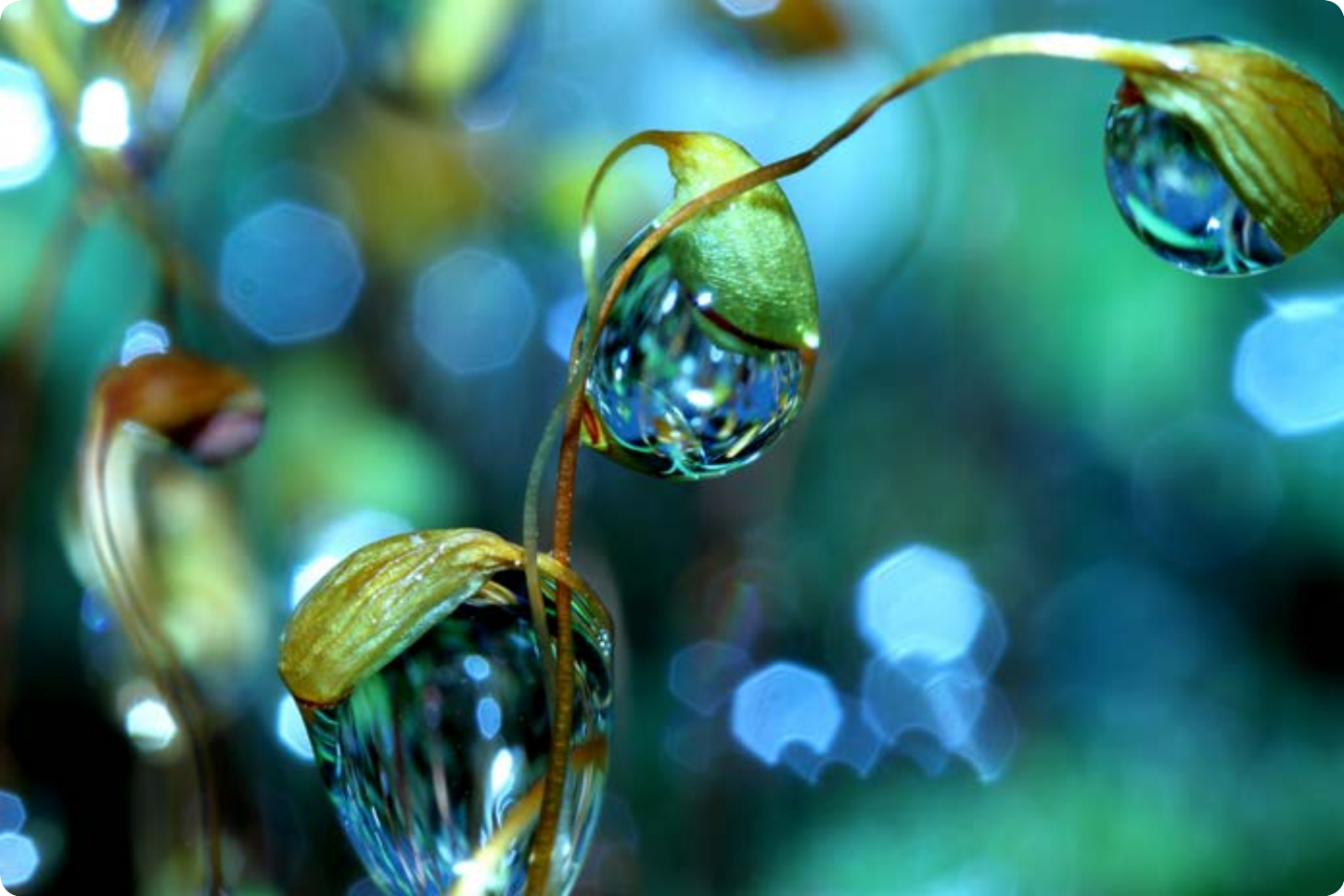
Sharon: It was. You know I’d go out in the morning and the grass would be covered with sparkling dewdrops. Or I’d be photographing moss and it’s so beautiful when it’s dripping with dewdrops. Most people wouldn’t give moss a second glance, but I like finding these little things that people don’t normally notice.
DP: Ok, well that’s great. So, what kind of gear do you use to capture your images?
Sharon: The gear? Well, I use a Canon 7D body — I do have a professional camera as well, but I tend not to use that so much for the macro because it’s heavy. Once I’ve added the macro lens, the macro flash, and the extension tubes as well, it all gets quite heavy. I use an EF 60mm lens, and I do use up to three tubes as well now: the EF 25. The one thing I can’t live without is the macro flash.
DP: So, how beneficial is the macro flash?
Sharon: I use the two light — so you’ve got the twin heads — and you can position it exactly where you want the light… especially using tubes. Obviously with tubes there’s quite a distance between the camera and the end of the lens, so when you need the light to fall exactly where you want it with this setup, the macro flash is essential. The flash was the best investment for me.
DP: Yeah, they’re not exactly cheap those dual flashes — how much was yours?
Sharon: I think when I bought it a couple of years ago it was £800 (aprox. $1280 USD) — a scary amount of money.
DP: That is a lot! So, how much of a difference did it make? I mean you were obviously shooting macro in advance of your acquisition of that flash…
Sharon: Yeah I started off initially using the built-in flash; but obviously it was hit and miss. Sometimes it just wouldn’t light the way you needed it to. So the macro flash really has made a massive difference.
DP: So, wise investment obviously.
Sharon: Absolutely.
DP: Now, do you use a tripod?
Sharon: I don’t like tripods with my macro stuff because I’m often crawling around on the ground and I’m getting into awkward positions. I find it too fiddly. So I do most of it handheld… and hold my breath a lot!
DP: I notice that you seem to manufacture some of your scenes…
Sharon: I do bring stuff indoors sometimes, yeah. I like playing with different backgrounds and experimenting with lighting gels. I think with the dandelions especially, with the slightest breeze they’re a nightmare to photograph outside. When you bring them indoors you can play with different backgrounds, and I spray them as well with an old cleaning bottle. It produces a lovely fine mist; so I get really pretty little droplets. If it rains on a dandelion, it gets a little mushy; but I can control it with a fine mist — so yeah, I do bring stuff indoors to play with as well.
DP: Ok, and you were saying that you use different backdrops and gels… how is it that you go about using those?
Sharon: I’ve got this box full of all sorts of wrapping paper, and coloured cards, and colourful feathers. I raided the kids’ toy-box one day and pulled out all the bright coloured feathers. You don’t need big pieces to do the macro work, so I’ve just got a box full of A4 sheets and different materials I can use as backdrops. The lighting gels sit on your flash heads and allow you to create different colours.
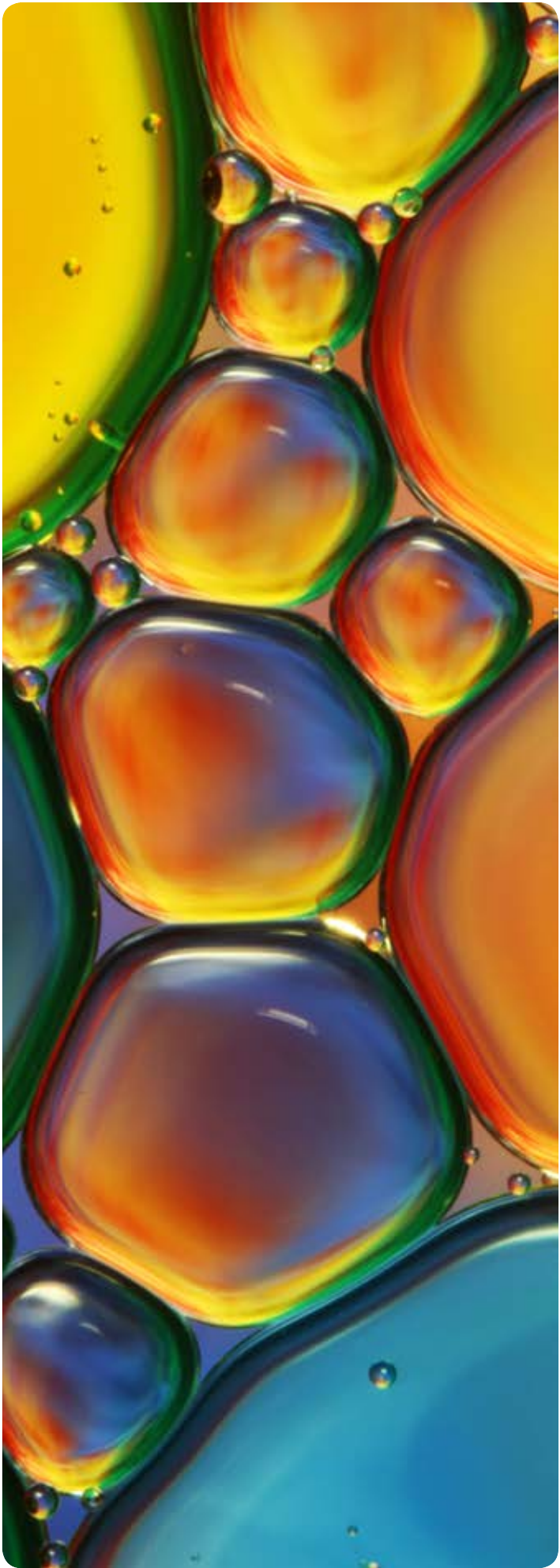
DP: Another subject I’ve seen you tackle is oil and water abstractions. What gave you the idea to do that?
Sharon: Um, I think I was actually in a magazine. I saw an article about it in a magazine and I gave it a go! It’s amazing fun. I love playing with oil and water.
DP: So what’s your process for creating those? Are you just dumping some oil in water and seeing what happens or…?!
Sharon: Well often the oil and water does what it wants to do but it’s literally just a glass, and whatever colours I want to use I’ll just put beneath the glass from my feathers or backgrounds. I do put in some washing-up liquid [dish detergent] in as well because it separates all the bubbles. I don’t know if you’ve noticed that if you put oil in water it just spreads right out; but I find with the washing-up liquid, it gives me lots of little bubbles in each glass.
DP: Now do you use two plates of glass, or just one or…
Sharon: It’s just a glass of water because…
DP: Oh! An actual drinking glass?
Sharon: Yes, because I’m using the macro lens and tubes, I don’t need a wide surface area of water, so I can get away with a glass.
DP: Very cool! So, I understand, as you were saying earlier, that you have a background in printing, and that you do your own printing and framing. What drives you to do that versus using a commercial service?
Sharon: Well I’m actually nuts about paper, and I love experimenting with different papers. But really I just like being in control of the colours and the process from start to finish. I do print a lot of my stuff out because if it’s on the computer, it just sits there, but I actually enjoy the finished product — having it printed out. I guess I’m just old fashioned.
DP: Well we’re big advocates of printing here. I mean what happens if you have some sort of electronic catastrophe and heaven forbid you lose all your stuff digitally, at least you have your finished prints. So I certainly appreciate your sentiments there. Now do you sell your homemade prints?
Sharon: I do, though I tend to sell most of my stuff through artist’s websites at the moment.
DP: We saw that — you use a variety of them. So how does that process work with these sites?
Sharon: Well I originally joined the sites because of the artist community aspect. It was just a way to see what other photographers were doing, and you could ask each other questions about equipment or techniques; and it just went from there really.
DP: Ok, and if you had to choose, which of the services that you utilize do you prefer?
Sharon: Well I’ve been with RedBubble the longest — they’re an Australian site — but I’ve just started using Society6 recently.
DP: And you’re leaning toward them now?
Sharon: I am, yeah.
DP: So, what’s the advantage of one versus another?
Sharon: Well you get to know other photographers through these sites and catch up with people that you sort of get to know. So there isn’t a great deal of difference between those sites, but I find myself leaning towards Society6.
DP: Ok, well moving on to another subject, let’s say you were talking to an aspiring photographer who was interested in macro, but just getting started. What advice would you give them?
Sharon: Just experiment a lot. A lot of the macro stuff that I’ve learned to do has just been experimenting. Just give it a go and keep playing. It’s the best way to learn.
DP: Any particular gear you’d suggest they invest in sooner rather than later?
Sharon: Well to be honest, my macro lens — the 60mm — that isn’t the most expensive macro lens out there, but I really rate it as a lens. It’s a beautiful lens. You can probably pick it up for perhaps £300. But I have used my tubes with a 50mm, a lens that most photographers have, and it works brilliantly. So there are a lot of options than going down the expensive gear route. I’ve even got a Lensbaby that I play with from time to time and a macro lens for that.
DP: How do you find the Lensbaby actually?
Sharon: It’s quite hard, but it’s loads of fun!
DP: What’s tricky about it?
Sharon: Well depending on what aperture disc you use… have you ever used one?
DP: Yes I have a couple of the lenses…
Sharon: Well, if you use the wider aperture discs it’s quite difficult to find the little bit that you want to be in focus… especially when you start tilting the lens around!
DP: Any final thoughts on macro photography, what keeps you passionate about it?
Sharon: There’s always something new to photograph. I don’t have to travel hundreds of miles to find some beautiful scene. I just step outside the back door first thing in the morning and find something. I’m constantly experimenting and trying new things so I’m never going to get bored!