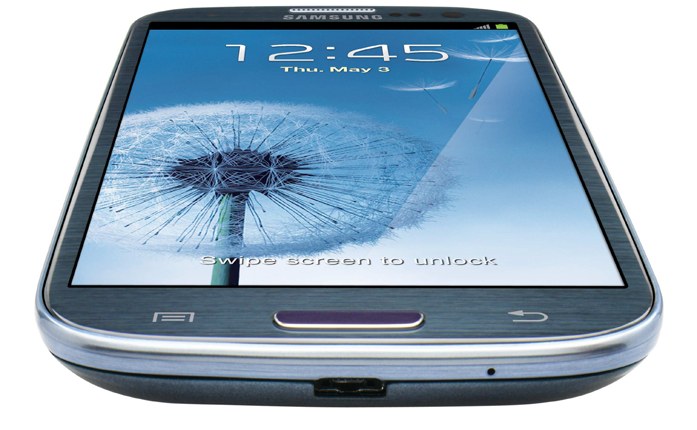
They say ‘the best camera is the one you have with you’; and certainly given the ubiquity of smartphones, very frequently that role is filled by them. After all, how often do you tote your DSLR to the supermarket, or the coffee shop…? Truth be told, there are innumerable photographic opportunities to be found in venues wherein it mightn’t be either practical, or appropriate to lug an indiscreet camera body and accompanying glassware.
The Dilemma
Unfortunately, up until very recently, the inherent quality of imagery obtained from these devices left significant room for improvement. So, while you could certainly capture scenes from locations and situations you mightn’t be able to otherwise, what you were left with at the end of the day was of little use, beyond that of a memory aid.
Nowadays, most smartphones feature multi-megapixel sensors backed by an engineer’s cauldron of software wizardry, which enables heretofore impossible image quality to be rendered from these tiny devices. That’s not to say there’s any competition when compared to a DSLR; however, smartphones are definitely giving point-and-shoots a run for their money. In fact, the market for this latter category has contracted so dramatically over recent years, we’d be surprised to see these cameras on store shelves in the long term.
An unfortunate side-effect of the smartphone-driven photography explosion however has been the increased tolerance for mediocrity. After all, if you see 100 photos a day (and with social media’s burgeoning influence this is very often a low estimate), and 98 of them are crap, your perception of what constitutes ‘good’ is reframed (no pun intended). This problem is also to a lesser degree expressed in the stock photo market, where ‘good enough’ crowds out ‘great’, by virtue of the new price, versus quality driven model.
So, what are we left with? We have incredibly powerful devices, which are frankly capable of producing relatively decent imagery, yet for the most part don’t. Why? This failure is primarily a result of user error.
What To Do?
The most common generator of photographic rubbish as applies to smartphones is not understanding the limitations of one’s equipment. To be honest, despite all the advances touted above, your Android or iOS device is pretty terrible at capturing images in low light conditions. Certainly you may employ the built-in flash to some effect (though the artificiality generally achieved via its utilization more often than not reduces the image’s utility), just don’t expect miracles from a lens and sensor the size of a nail head. Motion blur, unacceptable noise levels, and camera shake are such prevalent features of smartphone photography that you’d think their presence was due to artistic decisions made by the photographer; however, of course, this definitely isn’t the case.
Further, even in situations that provide adequate light, the mechanism whereby the shutter is released leads to a deterioration of image quality, due to the fact that some measure of camera shake is almost always introduced by the user tapping on the screen. Some smartphone manufacturers have elected to address this by enabling the user to depress the shutter by way of the mechanical buttons located along the edges of their devices — though few mobile photographers seem to be aware of this feature’s existence. We’d recommend you always use the hardware buttons, as not only will it reduce camera shake, but it will allow you to more effectively frame the shot by virtue of the fact that your fingers are no longer in the way!
Acceptance of, and working within your smartphone’s limitations will definitely go far toward your production of actually usable imagery; however, there are a variety of techniques you can employ to improve your odds. Using a support for your phone is a sure-fire way of enhancing image quality, and given the size of the devices in question, your options for what to employ in this capacity are substantial indeed. A table, bean bag, counter top… pretty much anything that is stable and provides a relatively flat surface can serve your objective of minimizing camera shake. There are also miniature tripods available, specifically designed for smartphones which may prove effective. We feel however, that these devices are of limited value. If you are going to be lugging around a miniature tripod, why not just bring a DSLR instead?
Who Cares?
For some reason, many people tend to shoot mobile generated images with reckless abandon, throwing all basic photographic principles to the wind. They shoot right into the sun, pay no attention to composition, disregard shadows in the scene, fire flashes directly into mirrors… and then post the results directly to social media, making me want to take a scrub brush to my eyeballs upon viewing these digital disasters. If folks would simply follow traditional photography precepts, and play to the strengths of their devices, the resulting imagery would be substantially improved.
For example, the main advantage mobile device cameras have over their bulkier DSLR cousins is flexibility in framing due to their extremely lightweight and diminutive designs. Capitalize on this! Shooting from the bizarre angles and tight spaces afforded the smartphone photographer by virtue of their device’s form factor provides opportunities for increased tension, and perspectives which definitely add interest to your images.
I also find myself pulling out what little hair I have left when I see a photo whose subject matter is obvious, yet occupies a tiny fraction of the frame — which is otherwise filled with uninteresting garbage. Zoom with your feet! No camera phones (none that we’ve heard of anyway) feature optical zoom — and digital zoom is best avoided if at all possible, as this results in a pixelated, noisy mess for the most part. As a result, you’ll have to get closer to the action with your body instead. Used in conjunction with the framing possibilities afforded the mobile photographer as described above, your results will certainly show improvement.
Another common feature of photographs shot on smartphones is that they are either over-processed, or not processed enough. The former category is generally a result of the ubiquitous filter factory type of applications (Snapseed, Instagram, Hipstamatic etc.) which allow you to apply canned effects to your shots — making them look like everyone else’s hamfisted attempt at ‘being creative’, while those that fall into the latter are straight-out-of-the-camera images that could benefit from a little tweaking.
We’d recommend avoiding most filters if you can, unless you have a very specific result in mind before you take the shot. Black and white or split-tone images for instance are good examples of times you may wish to employ a software filter; but for the most part, we find the effects lack subtlety, and are used as a digital crutch to prop up mediocre photography. On the other end of the spectrum, many smartphones produce dull, flat looking images by default, which could benefit from a little time in an editor. Often these photos simply need a curves adjustment and a little sharpening; while sometimes pixel-level edits are demanded… the difference being, these are educated choices, not the random result of pressing a filter button in an app.
In the End
These days, the path of least resistance is so well trodden, that with increasing regularity it’s seen as the only viable trail upon which to venture. Engineers labour feverishly in an effort to pare ‘It’s as easy as 1-2-3!’ down a couple of notches in complexity. Fast food, reality television, microwave ovens, headline news, iPhoneography… there are so many examples of where technology, in conjunction with the demands of our frenetic pace of life, have lead us to elect the facile and convenient, over the superior. To say society and culture suffer as a result, is a gross understatement. Breadth of knowledge is reduced, culture is homogenized, human health diminishes, choice is limited, and industry standards spiral downward to cater to the lowest common denominator — wherein profit lies.
The trick, in the end, is knowing that selecting the thornier of two paths diverging in a wood typically yields better and more interesting results, and therefore should more often than not lead to your destination; however, for those occasions wherein one finds oneself lacking the requisite hiking boots, making the most of opportunities afforded by the groomed thoroughfare via careful, versus casual attention to craft, will make all the difference.