Anyone who has amassed a sizeable collection of gear can readily attest, there are items among the pile that get used over and over again, yet few, when compared to their lifetime service utility, relatively inexpensive… or downright cheap! Still others, we view with a tinge of regret — sitting lonely in their cases, waiting for the wondrous occasion when they will yet again see the light of day. Reading this, you may find yourself glancing over at your $900.00 16mm f/2.8 fisheye with a furrow in your brow… and trust us, you aren’t alone.
The fact is, there’s tons of shiny gear out there designed to coax those precious dollars free of their cozy wallets… and tons of salespeople who are more than willing to assist in that goal, whether it truly represents a good investment for the photographer or not. So with this mind, let’s take a look at some of the best values around in photographic equipment!
Prime Glass
While having the advantage of often being significantly less expensive than zoom lenses of similar quality, primes (fixed focal length) additionally are the sharpest around. No compromises have been made to support a wide range, and so that 50mm f/1.4 or f/1.2 is going to yield pretty much the best quality image you can get for that focal length. Sure, this makes for less convenient shooting in dynamic situations, as you have to zoom with your feet; but the gains in both performance and cost savings more than make up for the necessity of movement. For about $300-$400, you can pick up a world class 50mm lens… versus a pretty lousy zoom in the same price range. Of course, with increases in focal length, come commensurate rises in price; however, from a cost versus quality perspective, it’s very hard to beat a prime.
There’s a kind of odd feeling I get when affixing one to a body (with the notable fisheye exception), a kind of warmth and affection reserved for very few items in my kit. Do yourself a favour, and give primes a try!
Handy Accessories
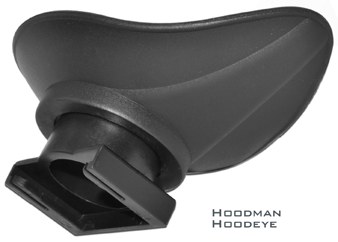
There are two accessories I use every single time I pick up my camera, and both were super cheap. I use them every time, because they are actually permanently attached to all my bodies. The first is the HoodEYE Eye Cup by Hoodman Corp. This awesome little piece of technology connects directly to your viewfinder and features a hypoallergenic silicone rubber cup that forms to your eye socket, blocking out all external ambient light. As a result, elements seen in your viewfinder are crystal clear, even on the sunniest of days, and your depth-of-field preview button will actually get used. At only $24.99, each, these are definitely one of the best investments I’ve made in accessories!
The other item? An LCD cover. As I’m a Nikon shooter, and don’t own any bodies with screens that flip onto protective positions, I purchased company branded covers for about 10 bucks each. While I’m not at all a fan of putting protective filters on my lenses, covering my LCD doesn’t affect image quality, and protecting it against the inevitable rippers and button scratches it would incur otherwise just makes sense. They’re certainly easy to remove and re-attach should one wish to, but finding these aren’t necessary, I have yet to do so.
Another item in the same vein, and also by Hoodman, is the HoodLoupe. This handy little device allows me to clearly view my LCD in the brightest sunlit conditions. With a built-in diopter to ensure accurate focus, and a lanyard to prevent its ever being far from reach, my HoodLoupe gets a good workout whenever conditions warrant. Though more expensive than some items on the list, at between $99 and $129, this item more than payed for itself the first time I shot an outdoor spectator event… and its seen heavy use ever since. Highly recommended.
Speaking of best value RAW editors and image processors, which among them really do deliver the goods? Well, as you probably guessed, for our money, you can’t beat Lightroom. It does pretty much everything you’ll ever need, and for what it doesn’t there’s always plugins like Perfect Photo Suite 8 (also reviewed in this issue!). With extensive cataloguing capabilities, industry leading RAW processing, web and book publishing, slideshow production, and an excellent print engine, Lightroom 5 — currently on special through January 11th, 2014 at $119 USD — would be a steal at double the price.
After the Shot
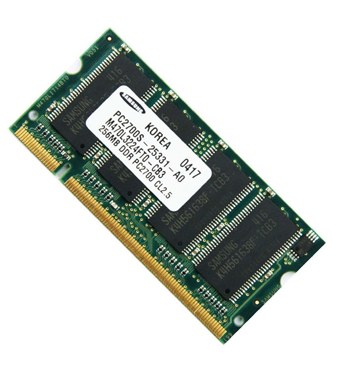
As well as capturing the RAW file, just the beginning of the photographic process. So what are the best bangs for the buck at the latter end of the production chain? First off, RAM. Yes it’s boring — you won’t sit there polishing it, dreaming about how you’ll use it next — but few things will speed your workflow more, and you’ll use it every day. While most of your applications will benefit from the extra memory, RAW editors and image manipulation tools gobble RAM like a fat dude attacking a bundt cake… so the more the merrier!
As well as boosting your computer’s working RAM, you’ll want to invest in a good solution to ward against calamities such as internal hard disk failure… but they’re no use if a tornado spirits your house off to Oz. Cloud based backup services appear to be the answer here. Unfortunately, many of these are extremely pricey and not designed for the huge volumes of data utilized by photographers. Still others, while featuring an ‘all you can eat’ approach, and offering unlimited storage, throttle your bandwidth to such an extent as to render these services next to useless. In a recent example, a photographer using the popular Carbonite backup service discovered that her bandwidth was throttled to such an extent as to take an entire year for her drive to be successfully backed up… and that was if she added no more data!
With these points in mind, we took a look at a number of services before making our selection. We’ve settled on BackBlaze. Founded by former Apple employees, BackBlaze features unlimited storage for multiple computers, no bandwidth throttling (unless you opt to throttle it yourself in the preferences), an extremely easy to use interface for both Windows and OSX, automatic detection of what needs backing up (ignoring OS components), three recovery options, and more… all for only $5.00 every month. If you want to save even more, term options are also available: $50 ($4.17/month) for one year, and $95 ($3.96/month) for two. What’s more, they offer a free 15 day trial — so what have you got to lose (other than your data)?!
Finally
It’s our hope this list serves to save some people from themselves. We know the allure of shiny things all too well; and while you’ll probably never get over lens lust completely, making a smart purchase decision can often save your desire to spend a bundle on something a little less practical. So how about starting the new year off with a resolution: refusing to buy any photography-related gear you can’t see yourself using at least 20% of the time you’re engaged in photographic pursuits. That gives you a little wiggle room for the sparkly trinkets, but keeps you focused on what’s really going to go far in helping you achieve your artistic goals.